Pick and Pack 101: The Process That Fuels eCommerce Efficiency
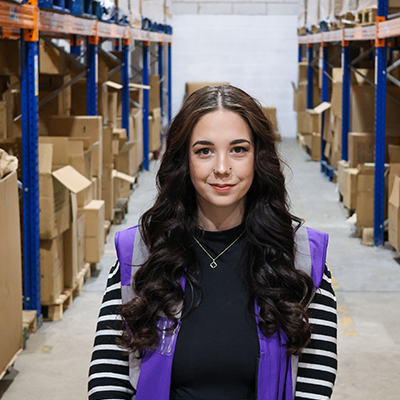

eCommerce thrives on efficiency. Behind every quick and accurate delivery lies a process that often goes unnoticed by customers but is essential to the survival of online retailers: the pick and pack process. It may sound simple, just selecting products and boxing them up, but in reality, pick and pack operations form the backbone of eCommerce fulfilment.
As online shopping grows at an unprecedented pace, businesses are under constant pressure to meet customer expectations for speed, accuracy, and affordability. To keep up, many companies turn to third-party logistics (3PL) providers, who specialise in making the pick and pack process seamless and scalable.
In this guide, we’ll break down the pick and pack workflow, explore the role of 3PLs, and look at strategies that help ecommerce businesses achieve efficiency without sacrificing customer satisfaction.
What is the Pick and Pack Process?
At its core, the pick and pack process involves two main steps:
- Picking, which is retrieving the correct items from inventory.
- Packing, which is preparing those items securely for shipping.
While it sounds straightforward, this process has a direct impact on delivery times, shipping accuracy, and overall fulfilment costs. If a single step goes wrong, say, the wrong item is picked, or fragile goods aren’t packed correctly, it can result in dissatisfied customers, costly returns, and reputational damage.
That’s why modern ecommerce businesses invest in optimising this process through technology, streamlined warehouse design, and increasingly, outsourcing to experienced 3PL providers.
Why Pick & Pack Matters in eCommerce
Every eCommerce transaction ends with one moment of truth: the arrival of a package on a customer’s doorstep. The pick and pack process shapes that moment. Done well, it ensures orders arrive quickly, accurately, and in perfect condition. Done poorly, it risks errors, delays, and unhappy customers.
The benefits of an efficient pick and pack system include:
- Faster processing and delivery.
- Lower labour and operational costs.
- Fewer fulfilment mistakes, leading to fewer returns.
- Higher customer satisfaction and repeat business.
For ecommerce businesses competing in crowded marketplaces, these factors can spell the difference between growth and stagnation.
The Step-by-Step Pick Pack Workflow
To understand how ecommerce orders make their way from a shopping cart to a front porch, let’s look at the typical workflow:
1. Order Receiving
The process begins with an order confirmation. Each order must be verified for accuracy, checked against inventory, and entered into the fulfilment system. Mistakes at this stage can cause delays that ripple through the rest of the process.
2. Order Picking
This is where warehouse staff retrieve the products from storage. Picking methods vary depending on the scale of operations:
- Single-order picking works best for smaller businesses with low order volumes.
- Batch picking groups similar items for multiple orders to reduce trips across the warehouse.
- Zone picking divides the warehouse into zones, with workers responsible for specific sections.
- Wave picking combines multiple methods, grouping orders by shipping deadlines.
The method chosen can have a dramatic effect on efficiency and accuracy.
3. Order Packing
Once picked, items are carefully packed. Packaging must protect products, minimize shipping costs, and create a positive unboxing experience. Branded packaging, sustainable materials, and thoughtful design all contribute to customer perception.
4. Order Shipping
The final step is generating shipping labels, assigning carriers, and dispatching packages. Timeliness is critical here, as late shipments can undo all the efficiency gains from earlier stages.
When executed correctly, this workflow creates a smooth, predictable, and scalable fulfilment process, something 3PL providers excel at managing.
The Role of 3PLs in Pick & Pack
For many ecommerce businesses, managing pick and pack in-house quickly becomes overwhelming. Rising order volumes, seasonal spikes, and international expansion can stretch resources thin. This is where third-party logistics (3PL) partners step in.
A 3PL specialises in warehousing, order fulfilment, and shipping. By outsourcing pick and pack operations to a 3PL, businesses can:
- Scale quickly during peak seasons without hiring or training additional staff.
- Access advanced technology, like warehouse management systems and automated picking tools, without the high upfront investment.
- Leverage expertise, as 3PLs are experienced in reducing errors and optimising workflows.
- Expand into new markets with 3PL networks that have multiple fulfilment centres across regions.
Instead of focusing on the logistics of packing boxes, eCommerce companies can concentrate on marketing, product development, and customer relationships, while their 3PL handles the operational heavy lifting.
Technology That Powers Modern Pick & Pack
Technology is at the heart of efficient fulfilment. Whether run in-house or outsourced through a 3PL, these tools are essential:
- Warehouse Management Systems (WMS): Provide real-time visibility into inventory, track orders, and optimise picking routes.
- Barcode Scanners & Mobile Devices: Minimise manual errors by ensuring the right item is picked every time.
For 3PLs, investing in these technologies is standard practice. This means ecommerce businesses that partner with a 3PL often gain access to cutting-edge systems they might not afford on their own.
Optimising the Pick Pack Process
Whether managed internally or through a 3PL, there are several strategies to keep the pick and pack process efficient:
Smart Warehouse Layout
A poorly organised warehouse adds unnecessary time and effort to every order. High-demand products should be positioned in easily accessible areas, and inventory should be arranged logically to minimise worker travel.
Staff Training and Communication
Even with technology in place, human workers remain critical. Ongoing training ensures staff understand picking methods, packing standards, and safety protocols. Clear communication reduces mistakes and keeps operations smooth.
Continuous Improvement
Tracking metrics such as pick accuracy, order turnaround time, and packing costs allows businesses to identify inefficiencies. Small, incremental improvements add up to major gains over time.
Sustainable Packaging
Sustainability isn’t just a trend; it’s an expectation. Eco-friendly packaging reduces environmental impact while appealing to conscious consumers. Many 3PLs now offer sustainable packaging solutions as part of their services.
Challenges in Pick & Pack, and How 3PLs Solve Them
Even the best processes face challenges:
- Inaccurate inventory data leads to stockouts or incorrect shipments. 3PLs typically use integrated systems to maintain real-time inventory visibility.
- Poor warehouse design can slow down picking. 3PL facilities are professionally designed for maximum efficiency.
- Equipment failures cause costly delays. Established 3PLs maintain backup systems and preventive maintenance schedules.
- Seasonal demand spikes overwhelm in-house operations. With their scale and staffing flexibility, 3PLs absorb these fluctuations with ease.
By outsourcing, businesses shift these challenges to experts who are equipped to handle them.
When Should You Outsource Pick & Pack to a 3PL?
Not every business needs a 3PL from day one. But there are clear signs it may be time to outsource:
- Your order volumes are growing faster than your warehouse can handle.
- Seasonal peaks strain your team and cause fulfilment delays.
- You want to expand into new geographic markets.
- Logistics are consuming time and resources better spent on sales and growth.
For many eCommerce companies, partnering with a 3PL is less about giving up control and more about gaining capacity, expertise, and scalability.
The Future of Pick & Pack
As eCommerce evolves, so will the pick and pack process. Robotics, artificial intelligence, and predictive analytics will play increasingly important roles. Customers will expect not just fast shipping, but also flexible delivery options, real-time order tracking, and eco-friendly practices.
3PLs are likely to be at the forefront of these innovations, offering businesses access to tools and systems that would be difficult to implement independently.
Key Takeaways
The pick and pack process may take place behind warehouse walls, but its impact is felt in every customer interaction. It determines whether an order arrives on time, in good condition, and with the accuracy shoppers expect.
By optimising pick and pack workflows, or better yet, partnering with a 3PL provider, eCommerce businesses can improve efficiency, reduce costs, and deliver a consistently positive customer experience.
In a world where convenience drives loyalty, getting fulfilment right is not just an operational necessity, it’s a competitive advantage.


.png)


